The 3 most common intermittent fasting myths I encounter as a nutritional therapist
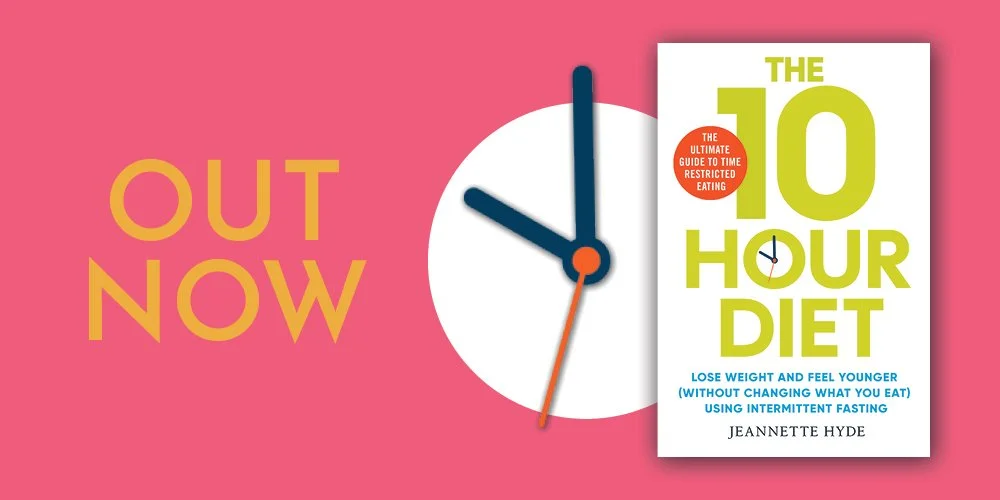
Here I share three of the most common mistakes I come across among clients, and more recently, people on social media practicing a form of intermittent fasting called time-restricted eating. This is where you eat in a 10-hour window during the day, and fast for 14 hours overnight. With time-restricted eating, the devil is in the detail. This is why I wrote The Ten Hour Diet - so you can get it right.
1) The harder, longer, more punishing the overnight fast, the better the results?
Wrong. There is a sweet spot with overnight fasting.
In humans, most of the health benefits come between the 12th and 14th hour of overnight fasting during what is called the metabolic switch.
Weight loss is more effective when eating is focussed earlier in the day than later. Calories eaten earlier have more chance of being burnt, so focussing on what lovely nutritious food you put into your body for breakfast and lunch is a better strategy than concentrating on a long arduous fast all morning and then pushing most of your eating into later in the day.
There is now a body of research showing that eating earlier in the day and aligning food intake with our circadian rhythm leads to better digestive, heart, and immune health, plus healthier weight. Starving till 2pm and eating most of your food in the afternoon and into late evening isn’t how the human body is designed to do well. This is why many people, particularly women say they feel run down when practicing this type of fasting.
Solution: eat your usual nourishing meals - whether two or three a day, earlier in the day and try to have a 3-hour gap between finishing eating and bed.
2) Zero calorie fizzy drinks and sodas, or sugar-free mints can be consumed during the fasting window?
Wrong. Don't do that if you want to lose weight, improve your diabetes markers or have better digestive health.
Artificial sweeteners may cancel out potential benefits of fasting. They can mess with our body chemistry and trick us into thinking we have consumed sugar. This can lead to spikes in insulin, the fat-storage hormone, or disrupt the pattern of the microbiome (gut bacteria) that helps control our weight.
Drink water during the overnight fasting window if you are thirsty.
Re food, the one thing you must consume in your fasting window if you need to are your prescription meds. In studies participants kept these in and many still got the benefits of the overnight fast.
3) Fasting can be practiced successfully by highly-stressed individuals.
Wrong. If you are getting less than six hours sleep a night and eating past 9pm, AND then doing long overnight fasts, you could put more strain on your body making you gain weight, and develop type 2 diabetes, and heart problems. I’ve included some research on this in my book The 10 Hour Diet.
This is probably why some practitioners say they meet women who get run down and stress hormones go up practicing overnight fasting. With a few tweaks - eg eating proper 2 - 3 meals during the day time, having a 3-hour gap between dinner and bed, you should be able to get all your nutrition AND the benefits of better digestion, weight, and reduced inflammation without spiking your stress hormones.
Saying that women shouldn’t practice intermittent fasting is one of the most misleading social media myths out there. It’s not that you shouldn’t practice intermittent fasting if you are a women, you just need to practice it right!
Not having intermitted fasting in your life is a missed opportunity - because much of the repair of our bodies happens when we have a rest from eating for 12-14 hours. During this pause from food, energy is diverted from digesting to housekeeping and repair of our vital organs which we need for longevity.
![]() Jeannette Hyde Nutritional Therapist
Jeannette Hyde Nutritional Therapist
Jeannette Hyde is a leading London gut health nutritionist, writer, and educator. She is author of The Gut Makeover and 10 Hour Diet